Moving Companies in Brownwood, TX
Take a look at the movers listed below before you start calling around. Each card shows a license status, an insurance badge, and a review count, and all three matter more than the flashiest ad. License status confirms the company is registered to legally operate in Texas; treat any card without a current license as a pass, no matter the price quoted. The insurance badge signals coverage beyond the state's bare legal minimum, which matters here since a local move in the Brownwood area runs $350 to $1,100 or more, and a short regional trip to a nearby Texas city runs $900 to $2,500 or more. Review count shows how much real experience backs those numbers; a handful of reviews is a thinner track record than dozens, so weigh the count alongside the pattern in the comments, not the average rating alone. Crew rate matters too: a standard two-person crew runs close to the Texas average of $103 an hour, and larger crews or jobs with heavy items price higher. Use license, insurance, and reviews together, not price alone, to shortlist who to call first.
Free · no obligation
Quotes from movers in Brownwood, TX
Two answers below and we pass your move to licensed companies from this page. No account, no fee to you.
Filter & sort Rating, reviews, fleet, licence
Best Movers in Brownwood, TX
Ranked by popularity. Licensing, insurance and photos shown for each.


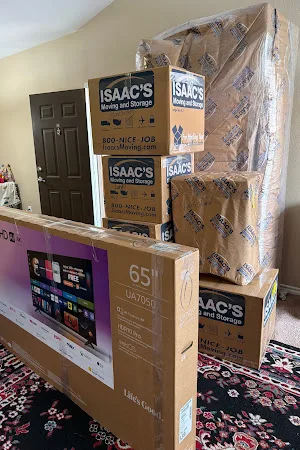
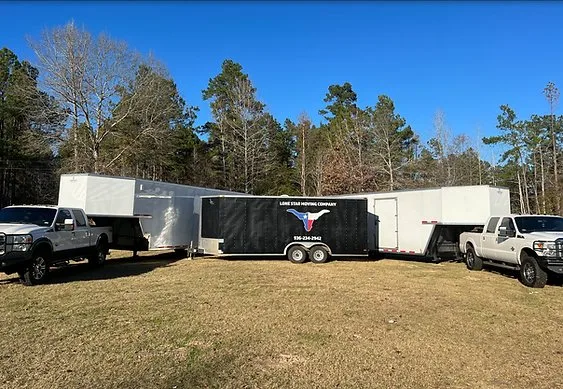



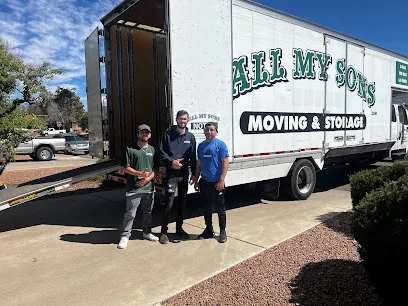
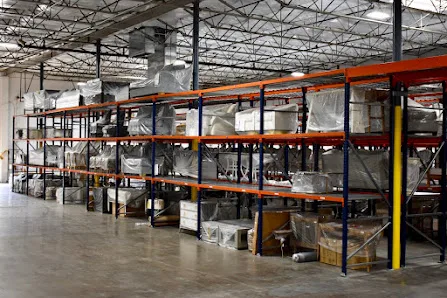



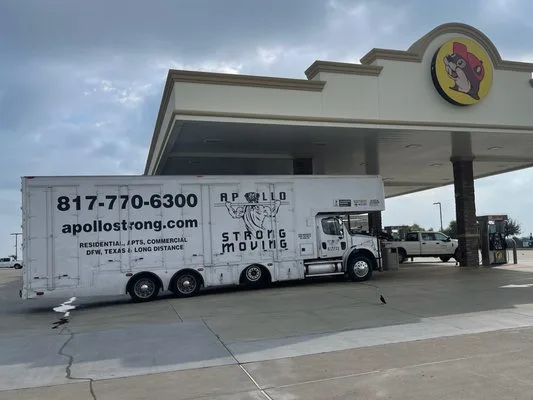
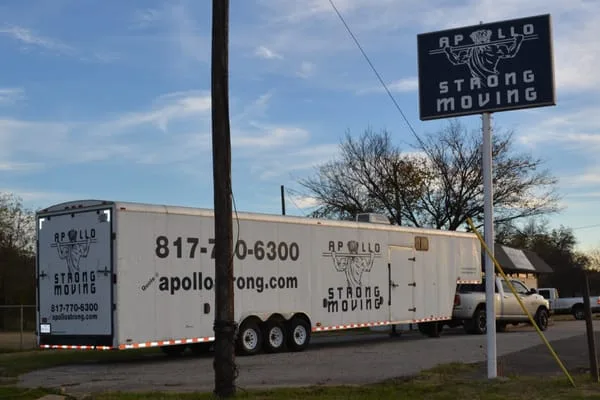








What customers say in Brownwood, TX
Who's moving to Brownwood, TX
Federal tax-filer migration data for Brown County.
82% arrived from elsewhere in Texas. Most arrivals are in-state moves, so a regional company will usually cover it — check interstate authority only if you're crossing a state line.
See licensed movers80% of departures stayed inside Texas. In-state moves are handled by regional carriers licensed at the state level.
See the full picture — 5-year trend, state flows and top routes
Households arriving from another state report $56,243 in average annual income; those relocating from elsewhere in Texas report $75,267. Long-distance arrivals are the higher-budget half of the market.
How this works: IRS SOI County-to-County Migration Data, 2022-2023. The IRS compares the address on consecutive tax returns, so every move here is a real filed household. The catch: it publishes annually with about a two-year lag, counts Brown County rather than city limits exactly, misses people who don't file a return, and leaves 68% of moves unattributed to a specific county, because flows too small to publish are grouped into regional buckets instead. See the whole state on the Texas migration page →
How much truck space do you need?
I’m moving a that’s .
Industry rules of thumb — about seven pounds per cubic foot, and published rental-truck capacities. Not our carrier records, not a quote. Bring both numbers to the call and what you get back will finally be comparable.